
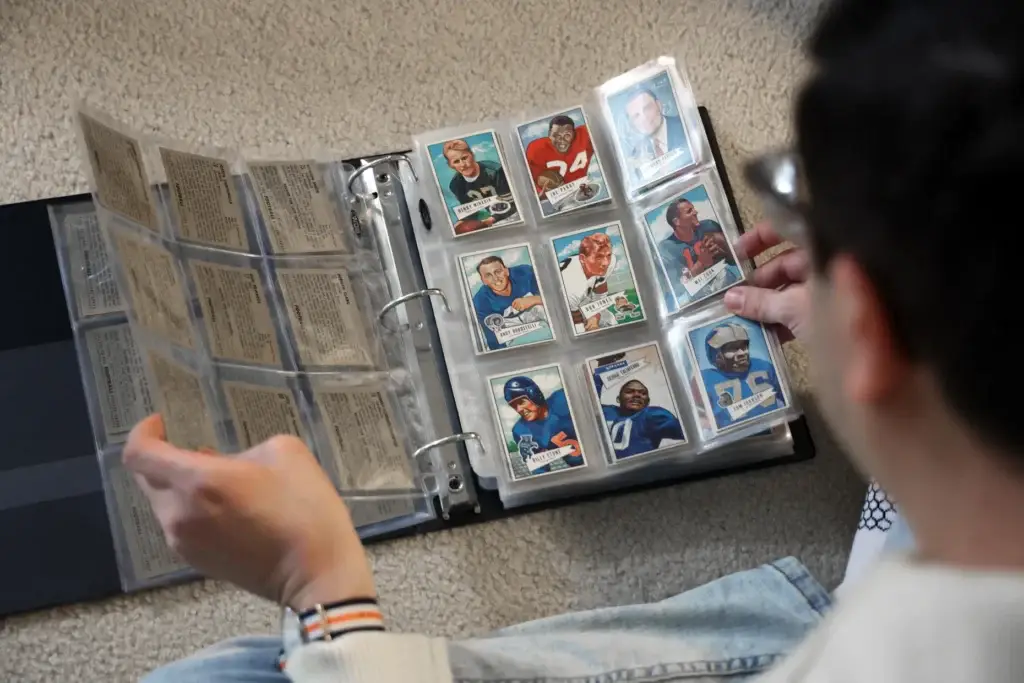
Getting into sports card grading can feel overwhelming when you’re just starting out. With different grading companies, various submission processes, and costs that can add up quickly, many collectors wonder if grading their cards is worth the investment. This comprehensive guide will walk you through everything you need to know about getting your sports cards professionally graded, helping you make informed decisions about your collection.
What Is Sports Card Grading?
Sports card grading is the process of having your cards professionally evaluated and authenticated by a third-party grading service. These companies assess your cards based on four main criteria: centering, corners, edges, and surface condition. After evaluation, your card receives a numerical grade (typically on a 1-10 scale) and gets encapsulated in a tamper-evident holder.
The grading process provides several key benefits. It authenticates your cards, protecting you from counterfeits and altered cards that can fool even experienced collectors. Professional grading also gives you an objective assessment of your card’s condition, which directly impacts its market value.
Be the Goat Sports Cards & Collectibles
For collectors looking for personalized service and expert guidance, Be the Goat Sports Cards & Collectibles offers professional grading consultation and submission services. They can help you determine which cards are worth grading and provide bulk submission discounts to make the process more cost-effective.
Why Get Your Cards Graded?
Enhanced Market Value
Graded cards typically sell for higher prices than their ungraded counterparts. A PSA 10 card can be worth exponentially more than the same card in PSA 8 condition. This value difference becomes even more pronounced with vintage and high-demand modern cards.
Authentication and Trust
Professional grading services authenticate your cards, giving buyers confidence in their purchases. This is particularly important in today’s market where counterfeit cards are becoming increasingly sophisticated.
Protection and Preservation
The sealed holders protect your cards from physical damage, environmental factors, and handling wear. This encapsulation helps preserve your card’s condition indefinitely, maintaining or even increasing its value over time.
Improved Marketability
Graded cards are more attractive to potential buyers because they provide clear information about the card’s condition and authenticity. When you decide to sell, graded cards typically attract more bidders and achieve higher final prices.
Understanding Grading Criteria
Centering
Centering measures how well the image is positioned within the card’s borders. Perfect centering (50/50) is ideal, but slight variations are acceptable for high grades. Cards with centering ratios worse than 70/30 typically receive lower grades.
Corners
Corners should be sharp and intact for high grades. Even minor corner wear, fuzzing, or rounding can significantly impact a card’s grade. Graders use magnification to detect imperfections invisible to the naked eye.
Edges
Edge quality focuses on the card’s perimeter, looking for fraying, chipping, or whitening. Color bleeding and rough cuts from the manufacturing process can also affect edge grades.
Surface
Surface evaluation covers scratches, print defects, staining, and overall finish quality. This includes checking for wax stains, fingerprints, indentations, and any other surface imperfections that affect the card’s appearance.
Preparing Your Cards for Submission
Initial Assessment
Before submitting cards for grading, conduct a thorough inspection under good lighting. Use a magnifying glass to spot imperfections you might miss with the naked eye. Be honest about your card’s condition – overestimating can lead to disappointment and wasted grading fees.
Cleaning and Handling
Handle your cards by the edges to avoid fingerprints and surface damage. If cleaning is necessary, use only a soft, lint-free cloth with distilled water. Never use chemicals or cleaning products, as these can damage the card’s surface.
Proper Storage
Store cards in penny sleeves and semi-rigid holders or card savers before submission. This protects them during shipping and handling. Avoid top loaders for submissions, as grading companies prefer semi-rigid holders that are easier to open.
Cost Considerations
Grading fees vary significantly based on the card’s declared value and desired turnaround time. Budget at least $15-20 per card for standard service, with higher fees for valuable cards or faster service. Premium and express services can cost $50-300 or more per card.
Consider the potential return on investment before submitting cards. If grading costs exceed the card’s potential value increase, it may not make financial sense to grade.
When to Grade Your Cards
High-Value Cards
Cards with significant value or investment potential are prime candidates for grading. Vintage Hall of Fame rookies, modern rookie cards of star players, and rare inserts often benefit from professional grading.
Perfect or Near-Perfect Condition
Only submit cards you believe will receive high grades (8 or above). Lower-grade cards rarely justify the grading costs unless they’re extremely rare or have historical significance.
Authentication Needs
If you’re unsure about a card’s authenticity or suspect alterations, professional grading can provide peace of mind and protect your investment.
Common Mistakes to Avoid
Overestimating Card Condition
Many collectors overestimate their cards’ condition, leading to disappointing grades and wasted fees. Be conservative in your estimates and consider seeking professional opinions before submission.
Ignoring Grading Costs
Always factor grading fees into your decision-making process. Sometimes the cost of grading exceeds the potential value increase, making it an unwise investment.
Choosing the Wrong Service
Different grading companies have varying standards and market acceptance. Research which service is most appropriate for your specific cards and collecting goals.
Getting Started with Professional Help
For beginners, working with experienced professionals can save time, money, and frustration. Companies like Be the Goat Sports Cards & Collectibles offer consultation services to help you identify which cards are worth grading and can handle the entire submission process on your behalf.
Professional services often provide bulk submission discounts and expert advice on grading strategy, making them valuable partners for serious collectors.
Building Your Knowledge
Start by studying graded cards in your areas of interest. Online auction sites show final sale prices for graded cards, helping you understand the market value of different grades. Join collector forums and groups to learn from experienced collectors and stay updated on market trends.
Consider starting with lower-value cards to gain experience with the grading process before submitting your most valuable pieces.